Best Lakeside Spots for Quiet Relaxation
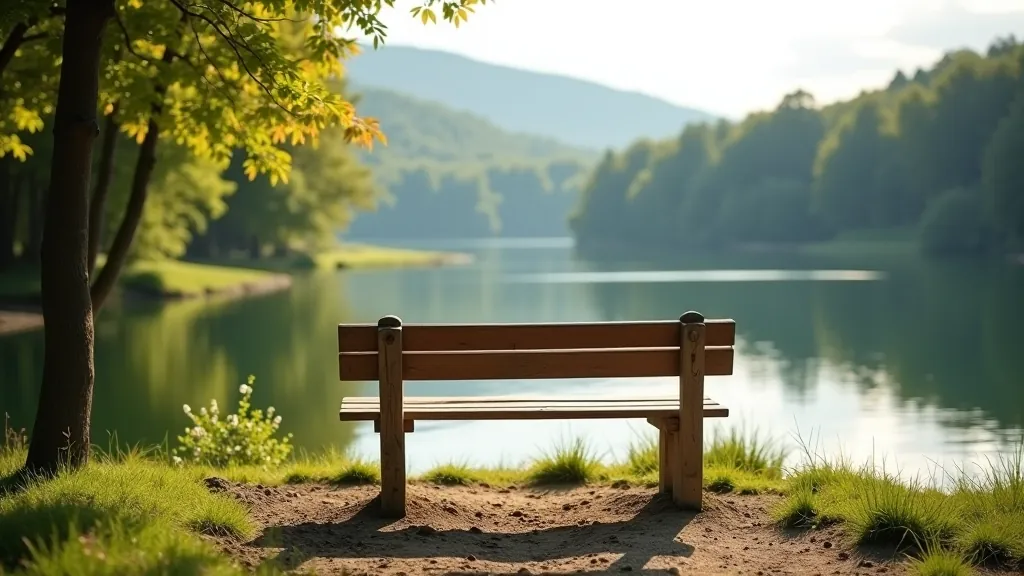
We've mapped out the most peaceful areas along Šumava's lakes — places where you can actually hear yourself think.
The practical stuff that makes outdoor time actually comfortable — from clothing choices to timing your visit for the best weather and fewer crowds.
Getting ready for a day in nature isn't complicated. You don't need expensive gear or special training. But you do need to think about a few practical things. The difference between a day you'll remember fondly and one you'd rather forget often comes down to simple preparation.
We're talking about what to pack, when to visit, and how to dress for whatever weather shows up. It's the unglamorous stuff that actually matters. Once you've got these basics sorted, you can focus on enjoying the walk itself — the quiet, the views, the fresh air.
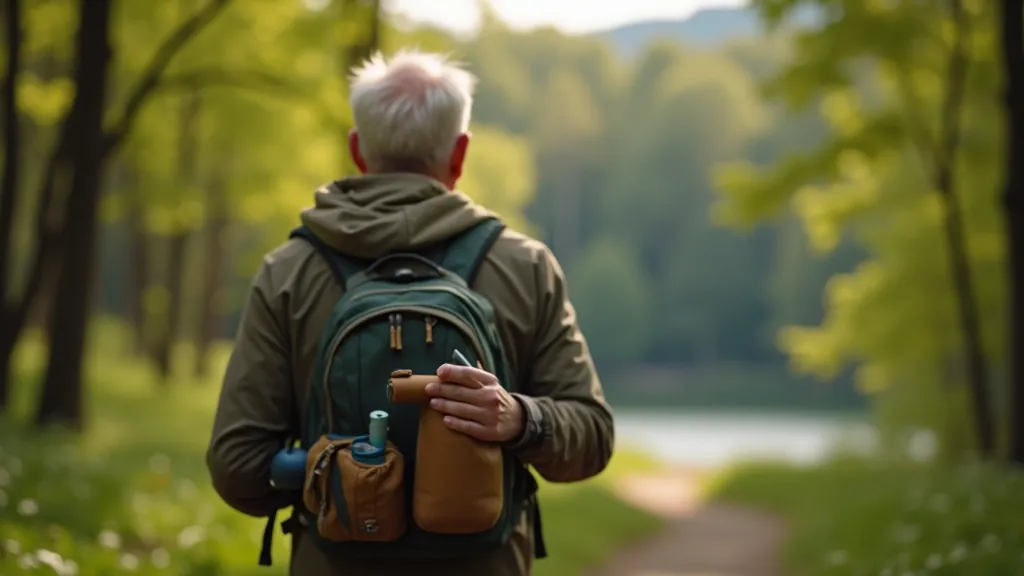
Layering is your friend here. It's not fancy — just smart. Start with something breathable against your skin, add an insulating layer, and bring a wind or rain jacket. You can peel off layers as you warm up or add them back when you stop moving.
Don't overthink this. Most people who spend time outdoors will tell you the same thing — they learned what works by getting it slightly wrong a few times. Wear what's comfortable, bring one extra layer, and you're set.
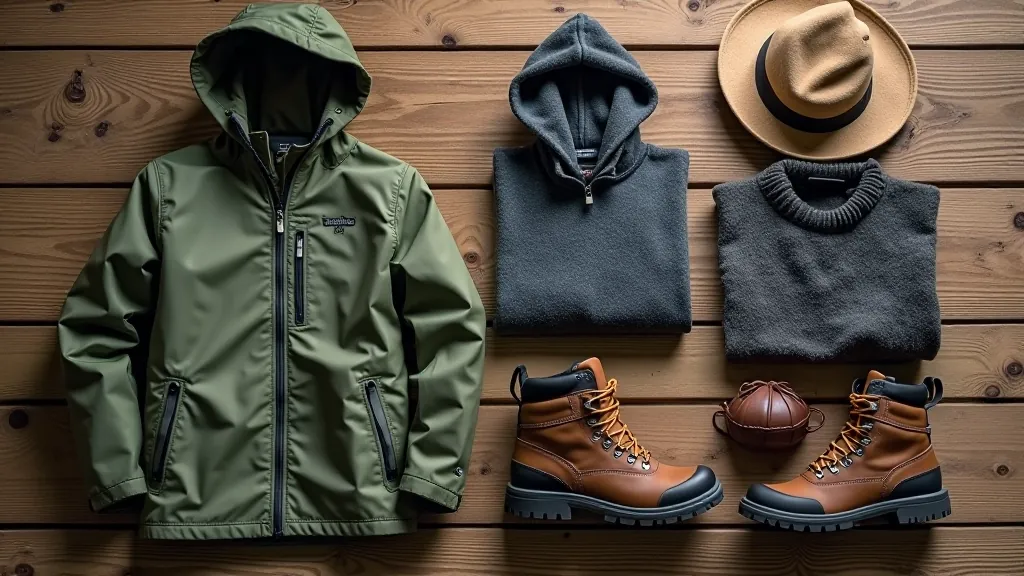
Mountain and lakeside weather can shift fast. Always check the forecast before you go, but also prepare for conditions changing while you're out. If the sky looks threatening, it's smart to head back — there's no shame in that. Safety comes first, always.
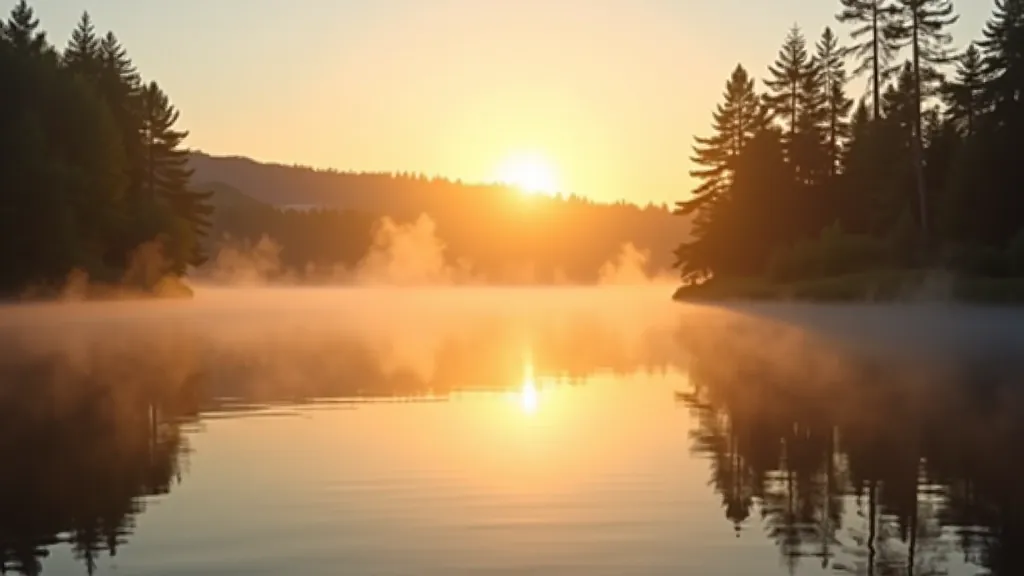
Early morning is genuinely different. There's less foot traffic, the air feels fresher, and you'll actually see wildlife if you're paying attention. Weekdays are quieter than weekends. Obvious, but worth mentioning because it changes the whole experience.
Summer mornings between 6 and 8 AM hit the sweet spot. It's cool enough that you won't overheat on the walk, there aren't crowds yet, and you've got the whole day ahead. Spring and autumn work well too — sometimes even better because the temperature stays moderate all day.
Bring at least 1-1.5 liters. Even if you're only going for an hour, you'll drink more than you expect once you're moving. Dehydration creeps up on you.
Nuts, a banana, some cheese. Real food. Not just energy bars. You'll feel better and it gives you a good reason to sit and enjoy the view for a few minutes.
Blister pads, pain relief, and bandages. Nothing fancy. Most issues aren't serious, but having these things means you don't have to cut your walk short.
You don't need GPS for familiar routes, but it's good to have. Your phone is enough. Download maps beforehand in case you lose signal.
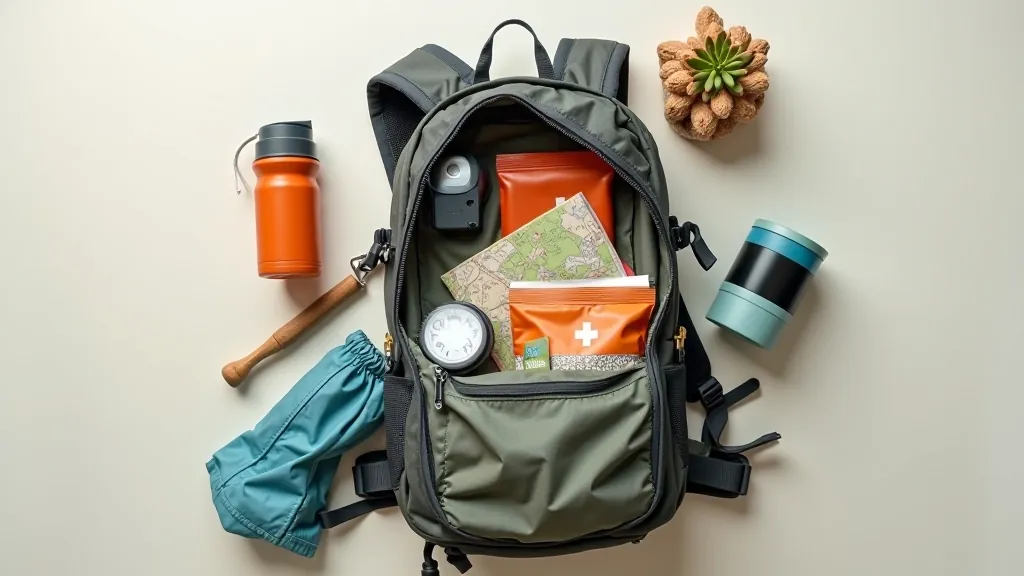
Good shoes, layers you can adjust, water, snacks, and decent timing. That's the formula. You're not training for an expedition. You're just trying to spend time outside comfortably and safely.
The best part? Once you've got this figured out, it becomes automatic. You'll pack your bag without thinking twice, head out at the right time, and spend the whole day enjoying yourself instead of worrying about whether you brought the right things. And honestly, that's when it gets good.